Getting started with recovery
New to recovery? A simple, no-pressure place to begin.
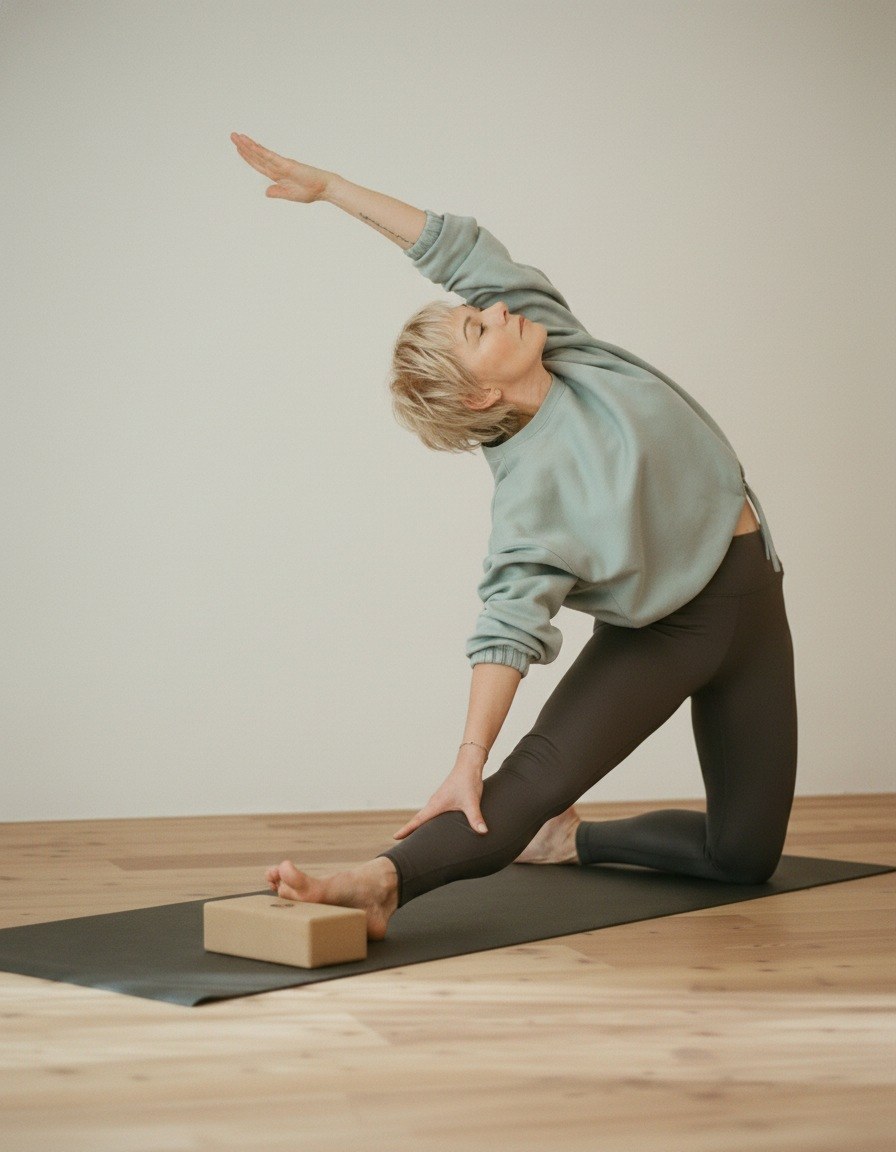
Recovery does not have to be complicated. A few minutes with the right simple tools can become a steady part of your week. This guide answers the questions people ask most when they are just starting - so you can begin with confidence and skip the overwhelm.
What is recovery?
Recovery is the time you give your body to settle and reset between days, workouts, or long hours at a desk. "Active recovery" just means doing something gentle and deliberate - a short mobility flow, a few minutes on a foam roller, some quiet stretching - instead of nothing at all. The goal is to feel looser, calmer, and more comfortable in everyday movement.
Why build a recovery routine?
A small, regular routine is easier to keep than an occasional big effort. People who build one often say they feel more mobile, sleep more easily, and carry less everyday tension in the neck and shoulders. It is also simply a calm moment in the day that belongs to you.
Is recovery for everyone?
Yes - the intensity is up to you. Whether you sit a lot, train hard, or are easing back into movement, you can start gently and adjust. If you have an injury or a medical condition, check with a qualified professional first; this guide is general wellness information, not medical advice.
Where do I begin?
Start from a goal, not a product:
- Feeling stiff after sitting - a short daily mobility flow on a mat, plus light foam rolling.
- Tight after training - foam roller and a trigger ball for specific spots.
- Winding down in the evening - an acupressure set and slow breathing.
- Building flexibility - a stretching strap and a simple stretch sequence.
Pick one. You can always add later.
Can I learn it myself?
For most gentle routines, yes. Begin slowly, stay within a comfortable range, and stop if anything feels sharp. Short guided routines (like the ones in our Journal) are an easy way to learn the basics at home.
Where do I find routines?
Our Journal has short, practical routines you can follow along with. Save one or two that fit your goal and repeat them - consistency matters more than variety at the start.
What can I expect in my first session?
Keep it short - five to ten minutes is plenty. Move slowly, breathe, and notice how each area feels. You are not aiming for a deep stretch or hard pressure on day one; you are building a habit your body learns to expect.
At home or in a class?
Both work. Home is flexible and private, which makes it easier to stay consistent. A class adds guidance and structure. Many people do most sessions at home and take an occasional class to learn new ideas.
Do I need a coach?
Not to start. Simple routines are designed to be self-guided. If you want tailored help - for posture, a specific goal, or a return from injury - a one-off session with a qualified instructor can be worthwhile.
How often should I practise?
A little and often beats long and rare. Two or three short sessions a week is a realistic start; daily five-minute resets are even easier to keep. Let it grow naturally rather than forcing a big schedule.
What basic gear do I need?
You can start with very little:
- A mat - a stable, comfortable base for floor work. See Yoga & Mats.
- A foam roller or trigger ball - for simple self-massage. See Massage & Recovery.
- One accessory for your goal - a stretching strap, bands, or an acupressure set. See Training & Mobility.
Add tools as your routine grows - not before.
Not sure which method fits you? See Recovery methods at a glance.
Ready to set up? See Caring for your gear.